Safety Guide 1
* Home Fire Prevention
* Car Accident Prevention
* Car Accident Prevention
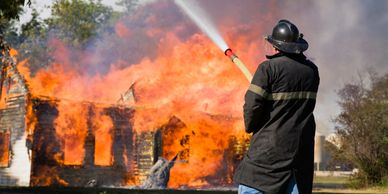
Small Habits That Protect Your Life
"Fire can happen without warning, but it is often preventable with small, daily efforts. Here are the essential guidelines to keep your home and loved ones safe."
1. Electrical Safety
- Avoid Overloading Outlets: Plugging too many devices into a single outlet can cause overheating and fires. Unplug appliances when they are not in use.
- Keep It Clean: Dust buildup in outlets and power strips can spark a fire. Regularly wipe them with a dry cloth to keep them clean.
- Check Old Cords: If you see frayed, damaged, or discolored wires, replace them immediately.
2. Kitchen & Gas Safety
- Never Leave Cooking Unattended: Most home fires start in the kitchen due to neglect. Always stay near the stove while cooking.
- Be Careful with Grease Fires: Never throw water on a grease fire. Cover the pan with a lid to smother the flames or use a fire extinguisher specifically rated for grease.
- Check Gas Valves: Always close the gas valve after use and regularly check for leaks using soapy water.
3. Heating Appliance Safety
- Keep a Safe Distance: Keep flammable items like paper, clothes, and curtains at least three feet away from space heaters or radiators.
- Turn Off Before Sleep: To prevent overheating, always turn off electric blankets or space heaters before going to bed.
4. Preparedness is Key
- Equip and Inspect Fire Extinguishers: Keep a fire extinguisher in a visible spot and check the pressure gauge every month to ensure it’s functional.
- Test Smoke Alarms: Make sure smoke detectors are installed on every floor. Press the test button regularly to ensure they are working properly.
* Car Accident Prevention
* Car Accident Prevention
* Car Accident Prevention

Promises for a Safe Journey
"Safety on the road is a precious commitment that protects not only your life but also the lives of others. Follow these essential tips for a safe, accident-free drive."
1. Driver’s Essentials
- Wear Seatbelts at All Times: Seatbelts are your lifeline. This applies to everyone in the vehicle, including passengers in the back seat.
- No Phone While Driving: Using a smartphone while driving is as dangerous as drunk driving. Please wait until you have pulled over to check messages or make calls.
- Practice Defensive Driving: Always maintain a safe distance from other vehicles and use your turn signals consistently, assuming that others might make mistakes.
2. Stay Alert and Focused
- Prevent Drowsy Driving: Don't push yourself when you’re tired. Taking a 15-minute break at a rest area can significantly reduce the risk of an accident.
- Zero Tolerance for Drunk Driving: If you’ve had even one drink, never get behind the wheel. This is a rule with no exceptions.
3. Regular Vehicle Maintenance
- Check Your Tires: Regularly inspect tire tread wear and air pressure. This is especially critical before rainy or snowy weather.
- Check Lights and Signals: Ensure your headlights, brake lights, and turn signals are functioning properly to communicate clearly with other drivers.
4. Pedestrian Safety
- Slow Down in School Zones: Always reduce your speed near schools and crosswalks. Be prepared to stop at any moment and stay alert for pedestrians.
* Seasonal Driving Safety
* Car Accident Prevention
* Seasonal Driving Safety
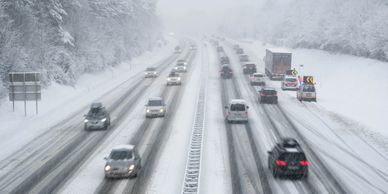
Rain and Ice Tips
"When the weather turns bad, road conditions change drastically. Check out these essential safety tips to stay safe on rainy and icy roads."
1. Driving in the Rain
- Reduce Your Speed: Lower your speed by at least 20% in the rain, and up to 50% during heavy downpours.
- Beware of Hydroplaning: Avoid sudden braking or acceleration to prevent hydroplaning, where your tires lose contact with the road due to a layer of water.
- Turn on Headlights: Visibility drops in the rain. Keep your headlights on even during the day to ensure other drivers can see you.
- Check Wipers and Tires: Worn-out wipers blur your vision, and smooth tires significantly increase your stopping distance.
2. Driving on Ice and Snow
- Slow Down and Increase Distance: Your stopping distance can be more than three times longer than usual. Keep a wide gap between you and the car ahead.
- Avoid Sudden Maneuvers: Sudden starts, sharp turns, or slamming on the brakes can cause you to lose control. Make all movements smooth and gradual.
- Watch for Black Ice: "Black ice," a thin layer of transparent ice on the road, is nearly invisible. Always slow down when approaching tunnels, bridges, or shaded areas.
- Use Engine Braking: Stepping hard on the brakes on slippery roads can cause a skid. Instead, downshift to a lower gear to use engine braking for a safer stop.
* Water Safety
* Hiking & Mountain Safety
* Seasonal Driving Safety

Staying Safe in Rivers and Oceans
"Relaxing by the water is wonderful, but nature can be unpredictable. Stay safe and create lasting memories by following these essential guidelines for rivers and oceans."
1. River Safety
- Watch for Depth Changes: Rivers often have sudden drops or hidden currents. Never venture too deep, even in familiar areas.
- Always Wear a Life Jacket: Regardless of your swimming ability, always wear a life jacket when in or near the river or on a boat.
- No Diving: Invisible rocks or submerged branches can be deadly. Never dive into river water where you cannot see the bottom.
2. Ocean Safety
- Beware of Rip Currents: If caught in a rip current (a strong flow pulling you away from shore), do not try to swim directly back. Instead, swim parallel to the shoreline until you are out of the current.
- Check the Tides: In areas with significant tidal changes, always check the high tide schedule to avoid being trapped by rising waters.
- Stay in Designated Areas: Only swim at beaches where lifeguards are present and within the marked safety zones.
3. Essential Common Rules
- Warm-up First: To prevent cramps, always stretch before entering the water and splash some water on your limbs first to adjust your body temperature.
- Never Swim After Drinking: Alcohol impairs judgment and physical coordination, making swimming extremely dangerous.
- In Case of Emergency: If you see someone struggling, do not jump in immediately. Call for help and throw buoyant objects like tubes, ropes, or even empty plastic bottles to assist them.
* Hiking & Mountain Safety
* Hiking & Mountain Safety
* Hiking & Mountain Safety

Guidelines for a Healthy Climb
"Time in the mountains heals the mind and body, but it can be risky without proper preparation. Follow these guidelines for a safe and enjoyable journey to the top."
1. Before You Head Out
- Check Weather and Trails: Mountain weather is unpredictable. Research your route's difficulty, estimated time, and the location of nearby shelters.
- Proper Gear and Clothing: Wear hiking boots with ankle support and moisture-wicking clothes. Always pack extra layers, as temperatures drop significantly at higher altitudes.
- Pack Snacks and Water: Bring high-energy snacks like chocolate or nuts and plenty of water to prevent exhaustion.
2. On the Trail
- Hike with a Partner: Avoid hiking alone if possible. Travel in groups of two or more and set the pace according to the slowest hiker.
- Stay on Marked Trails: Never stray from designated paths to avoid getting lost or risking a dangerous fall.
- Pace Yourself: Take short breaks every 30 to 60 minutes. Aim to finish your hike and head down 1–2 hours before sunset.
3. Handling Emergencies
- Know Your Location: Take note of the numbers on mountain location signs along the trail. This will help rescuers find you quickly in an emergency.
- Know When to Turn Back: If you feel unwell or the weather turns bad, don't hesitate to cut your hike short and head back down or seek shelter.
* Home Safety
* Hiking & Mountain Safety
* Hiking & Mountain Safety

Preventing Falls and Accidents
"Make your home the safest place to be by eliminating hidden hazards. Small changes in your environment can prevent serious injuries and ensure a better, longer life."
1. Fall Prevention
- Clear the Clutter: Keep floors and hallways free of tripping hazards like electrical cords, toys, and magazines.
- Anti-Slip Solutions: Install non-slip mats or stickers on bathroom and kitchen floors. Always wipe up spills immediately to prevent slipping.
- Brighten Your Spaces: Ensure adequate lighting throughout the house. Install night lights or motion-sensor lights in hallways, bathrooms, and near the bed.
- Secure Rugs and Mats: Rugs with loose edges are major tripping hazards. Use non-slip pads or double-sided tape to secure them firmly to the floor.
2. Furniture and Fixture Safety
- Install Grab Bars: For seniors or those with mobility issues, installing grab bars near the toilet and inside the shower can provide essential support.
- Corner Guards: If you have young children, use protective covers on sharp furniture corners to prevent impact injuries.
- Organize Wisely: Keep frequently used items on waist-level shelves to avoid the need for step stools or ladders.
3. Safe Daily Habits
- Stairway Safety: Ensure stair railings are sturdy and never store objects on the stairs.
- Wear Proper Footwear: Wearing non-slip indoor slippers or socks with grips can significantly reduce the risk of falling at home.
Safety Guide 2
* Gun Safety
* In-Home Gun Safety:
* In-Home Gun Safety:

Prevention and Emergency Response
"While active shooter situations are unpredictable, knowing the right response can drastically increase your chances of survival. Your safety is the priority."
1. Prevention and Situational Awareness
- Practice Situational Awareness: When entering unfamiliar or crowded places, always identify at least two nearby exits.
- Report Suspicious Behavior: If you encounter someone making threats or showing signs of potential violence, report it to the authorities immediately.
- Do Not Touch: If you find a firearm, do not touch it. Leave the area immediately and call the police.
2. Emergency Response: Run, Hide, Fight
In the event of an active shooter situation, remember these three critical steps:
- Step 1: RUN
- If there is an accessible escape path, attempt to evacuate the premises immediately.
- Leave your belongings behind and do not wait for others to agree to follow.
- Once safe, call emergency services (e.g., 911).
- Step 2: HIDE
- If evacuation is not possible, find a place to hide where the shooter is less likely to find you.
- Lock the doors and blockade them with heavy furniture.
- Silence your phone, turn off lights, and remain as quiet as possible.
- Step 3: FIGHT
- As a last resort, and only when your life is in imminent danger, attempt to disrupt or incapacitate the shooter.
- Use improvised weapons (fire extinguishers, chairs, etc.) and act with as much physical aggression as possible.
* In-Home Gun Safety:
* In-Home Gun Safety:
* In-Home Gun Safety:
Preventing Child Access
"The greatest responsibility of a gun owner is ensuring that a firearm never ends up in a child's hands. Proper storage is the only way to prevent a household tragedy."
1. Safe Storage Principles
- Use Locks and Safes: Firearms must be stored in a locked gun safe or a secure lockbox. Using a trigger lock adds an essential extra layer of security.
- Store Ammo Separately: Always store ammunition in a separate locked location, away from the firearm itself.
- Keep Keys and Codes Private: Children are naturally curious. Ensure that keys or security codes for gun storage are never accessible or known to children.
2. Careful Handling Habits
- Never Store Loaded: Always keep your firearms unloaded when not in use.
- Treat Every Gun as Loaded: Always handle any firearm as if it were loaded, even if you believe it is empty.
- Avoid Handling in Front of Kids: Do not clean or handle your firearm in front of children. This reduces the risk of them seeing the weapon as an interesting object or a toy.
3. Essential Education for Children
Teach your children exactly what to do if they encounter a firearm. Use the 4-Step Rule:
- STOP!
- DON'T TOUCH!
- LEAVE THE AREA!
- TELL AN ADULT!
* Street Safety
* In-Home Gun Safety:
* Women’s Safety Guide
Responding to Unprovoked Attacks
"In unpredictable violent situations, the most important thing is to remain calm and leave the area immediately. Securing your 'golden time' is key to survival."
1. Awareness and Prevention
- Stay Alert: Avoid looking at your smartphone or wearing noise-canceling headphones while walking. Keep your 'Head Up' to stay aware of your surroundings.
- Maintain Distance: If you spot someone acting erratically, shouting, or showing aggressive behavior, immediately keep your distance and move in the opposite direction.
2. During an Emergency
- Evacuate Immediately: If you hear a commotion or sense danger, leave the scene at once. Do not stop to look back. Seek shelter in crowded shops or public buildings.
- Call for Help: Shout "Help!" loudly to alert others. If possible, point to a specific person (e.g., "You in the yellow shirt!") and ask them to call the police.
- Use Improvised Shields: If escape is impossible, use objects like a bag, umbrella, or chair as a shield to protect your vital areas (head, neck, and chest).
3. After the Incident
- Report Quickly: Once you are safe, call emergency services (e.g., 911 or 112). Provide details about the suspect’s appearance, direction of flight, and whether they were armed.
- Secure Evidence: Rather than trying to film the incident yourself, move to an area with CCTV. Your statement as a witness will be crucial later.
* Women’s Safety Guide
* Women’s Safety Guide
* Women’s Safety Guide
Preventing and Responding to Sexual Assault
"Your safety is your right. Learn these practical guidelines to protect yourself and respond effectively in dangerous situations."
1. Daily Safety Habits
- Stay Aware: Avoid using headphones or staring at your phone when walking home late at night. Look back occasionally to monitor your surroundings.
- Elevator Safety: If you feel uncomfortable riding an elevator with a stranger, wait for the next one. Stand near the control panel so you can hit the alarm button if necessary.
- Safe Commuting: Share your taxi or ride-share info and estimated arrival time with a friend. Monitor your route on a map to ensure you’re on the right path.
2. How to Respond in a Crisis
- Trust Your Gut: If you feel like someone is following you, don't dismiss it. Move immediately to a well-lit, crowded place like a 24-hour convenience store or restaurant.
- Clear Communication: If someone attempts unwanted physical contact, say "Stop!" or "No!" in a firm, loud voice. Leave the area immediately after asserting your boundary.
- Call for Help: If you feel threatened, scream or activate a personal safety alarm. Yelling "Fire!" can often be more effective in drawing immediate attention from bystanders.
3. Physical Defense and Escape
- Focus on Escape: Your goal is to create time to run away. If necessary, strike vulnerable areas (eyes, nose, or groin) to distract the attacker and run to safety without hesitation.
- Safety Tools: Keep personal safety tools like pepper spray or alarms in an accessible place. Ensure you are well-trained in using them so they cannot be used against you.
* Safety in Groups
* Women’s Safety Guide
* Safety in Groups
Protecting Yourself from Verbal and Physical Abuse
"Communities like schools, workplaces, and the military should be safe havens. Learn these practical steps to stand up against abuse and reclaim your right to a safe daily life."
1. Assertive Early Response
- Clear Communication: When verbal abuse or unfair treatment begins, stay calm and clearly state your boundary: "I find that comment offensive" or "Please stop this behavior."
- Silence is Not Consent: If you don't respond early, the aggressor may assume their behavior is acceptable. Be polite but firm.
2. Documentation and Evidence
- Keep a Detailed Log: Record the date, time, location, circumstances, witnesses, and specific words used by the aggressor.
- Secure Objective Evidence: Save recordings, text messages, emails, or chat logs. In cases of physical violence, visit a doctor immediately for a medical report and take photos of any injuries.
3. Finding Allies and Reporting
- Don't Suffer in Silence: Share your situation with trusted colleagues, mentors, or counselors. Having a support system is crucial.
- Use Official Channels: Identify and utilize formal reporting systems such as school counseling offices, HR departments, or military hotlines (e.g., Help Call).
- Seek External Help: If the internal system is biased or ineffective, contact professional external organizations like the police, human rights commissions, or legal aid centers.
4. Psychological Defense
- Do Not Blame Yourself: The abuse is the aggressor's fault, not yours. Do not hesitate to seek professional psychological counseling to protect your self-esteem and mental health.
* Emotional Safety
* Women’s Safety Guide
* Safety in Groups
How to Protect Yourself from Gaslighting
"If you constantly find yourself doubting your judgment and blaming yourself because of someone else's words, you may be experiencing gaslighting. Reclaim your reality and set firm boundaries."
1. Recognize the Red Flags
- Denial of Reality: Watch for phrases like "That never happened," "You're too sensitive," or "Your memory is wrong." Gaslighters consistently deny your experiences to make you doubt yourself.
- Isolation Tactics: Be wary if someone criticizes your friends and family or tries to convince you that they are the only person who truly cares about you.
- Constant Self-Doubt: If you always feel the need to apologize after a conversation or wonder if there is something wrong with you, it is a warning sign.
2. Strategies for Self-Protection
- Trust Your Reality: Don't let their words sway your truth. Keep a journal, record conversations, or save text messages to provide objective evidence of what actually happened.
- Maintain Emotional Boundaries: Clearly state, "That may be your perspective, but my reality is different." Do not feel obligated to explain or justify yourself to someone who is trying to control you.
- Seek Outside Perspectives: Talk to trusted friends, family members, or professionals who are outside the toxic relationship to get an objective view of the situation.
3. Decisive Action
- Redefine or End the Relationship: Gaslighting is often difficult to resolve through dialogue. If the behavior persists, prioritize your mental health by distancing yourself or cutting off contact entirely.
- Professional Support: Do not hesitate to seek help from a therapist to rebuild your self-esteem and heal from emotional trauma.
Safety Guide 3
* Storm & Flood Safety
* Landslide & Avalanche Safety
* Landslide & Avalanche Safety
Essential Response Guide
"Natural disasters may be unavoidable, but thorough preparation and swift action can minimize damage. Check these safety rules before the water begins to rise."
1. Preparation Before the Storm
- Inspect Drainage: Check the gutters and drains around your home and remove debris to ensure proper water flow.
- Prepare Emergency Kit: Keep a flashlight, emergency food, clean water, and a portable radio ready in case of power or water outages.
- Flood Barriers: If you live in a low-lying area or basement, install water barriers or sandbags in advance to block incoming rainwater.
2. What to Do During a Flood
- Evacuate Immediately: If there is a risk of flooding, move to higher ground or a designated shelter without delay. It is difficult to walk once water reaches knee-height, so move early.
- Shut Off Utilities: Before your home floods, shut off the gas valve and the main electrical circuit breaker to prevent electrocution or gas leaks.
- Avoid High-Risk Areas: Stay away from streams, riverbanks, and bridges where currents are strong. Be extremely careful of open manholes hidden underwater while walking.
3. Driving Safety Tips
- Do Not Cross Flooded Roads: Never drive through water that covers more than half of your tires. Water entering the engine can cause the vehicle to stall.
- Vehicle Escape: If your car is submerged and the door won't open, use an emergency hammer or the metal prongs of a headrest to break the corner of the window and escape.
* Landslide & Avalanche Safety
* Landslide & Avalanche Safety
* Landslide & Avalanche Safety
Emergency Response Guide
"Landslides and avalanches happen in an instant. Recognizing the warning signs and responding immediately can save your life."
1. Landslide Safety Tips
- Recognize Warning Signs: Watch for sudden water gushing from hillsides, tilting trees, or a rumbling sound from the ground. These are signals to evacuate immediately.
- Evacuation Direction: Landslides flow downward. Run perpendicular (to the side) of the slide's path and move to the nearest high ground.
- Find Shelter: If hiking, stay away from valleys or ravines and move toward ridges. In residential areas, seek shelter inside sturdy buildings on higher floors.
2. Avalanche Safety Tips
- Avoid High-Risk Slopes: Avalanches occur most frequently on slopes between 30 and 45 degrees. Avoid hiking immediately after heavy snowfall or during rapid temperature rises.
- Actions During an Avalanche: If caught, try to "swim" using your arms and legs to stay on top of the moving snow.
- Create an Air Pocket: Before being buried, use your hands to create a space (air pocket) around your mouth to breathe. Raise one arm as high as possible to help rescuers find you.
3. Essential Common Rules
- Check Weather Alerts: Never enter mountainous areas when heavy rain or snow warnings are in effect.
- Report After Evacuating: Once you are in a safe location, call emergency services (119 or 911) to report the danger.
* Tsunami Safety
* Landslide & Avalanche Safety
* Earthquake Safety
Essential Survival Guide
"If you feel a strong earthquake near the coast, move to higher ground immediately, even before an official warning is issued. A tsunami moves faster than you think."
1. Recognizing Warning Signs
- Evacuate After an Earthquake: If you feel a strong tremor that makes it difficult to stand while at the coast, a tsunami may be imminent. Move away from the shore immediately.
- Abnormal Sea Levels: If the water recedes suddenly, exposing the ocean floor, or if it rises unnaturally, these are clear signs of an approaching tsunami.
- Listen for the Roar: A loud roar coming from the ocean, similar to a train or a jet engine, is a sign to flee to safety at once.
2. How to Evacuate
- Go Higher and Further: Move to an area at least 10 meters (30 feet) above sea level. If no high ground is available, move as far inland as possible.
- Use Vertical Evacuation: If you cannot reach high ground, seek shelter on the 3rd floor or higher (preferably the roof) of a sturdy, reinforced concrete building.
- Waves Come in Successions: Do not return to the shore after the first wave. Tsunamis consist of a series of waves, and subsequent ones are often larger. Stay in your safe place until official clearance is given.
3. Critical Warnings
- Avoid Using Cars: Traffic jams can trap you in the danger zone. Evacuate on foot whenever possible to ensure a faster escape.
- Never Go to the Beach to Watch: Never approach the shore to see a tsunami coming. If you can see the wave, you are already too close to escape.
* Earthquake Safety
* Earthquake Safety
* Earthquake Safety
How to Stay Safe During Shaking
"When an earthquake strikes, panic is your worst enemy. Remember 'Drop, Cover, and Hold On' to significantly increase your chances of survival."
1. During the Shaking (Inside a Building)
- Drop, Cover, and Hold On: Get under a sturdy table or desk. Hold on to the legs and stay there until the shaking stops.
- Protect Your Head: If no table is nearby, use a cushion, bag, or your arms to cover your head and neck from falling objects.
- Shut Off Utilities & Open Doors: Once the initial shaking pauses, turn off the gas and open doors to ensure an exit path (buildings can warp, jamming doors shut).
2. During Evacuation
- Never Use Elevators: There is a high risk of getting trapped due to power outages. Always use the stairs. If you are in an elevator, press every floor button and get out as soon as it opens.
- Watch for Falling Debris: Outside, watch for falling glass, bricks, or signs. Cover your head with a bag and move away from buildings.
- Find an Open Space: Move to an open area like a park or a playground where there are no trees, power lines, or buildings that could fall.
3. Situational Response
- While Driving: Pull over to the right side of the road away from overpasses and power lines. Stop the car, set the parking brake, and leave the key in the ignition when you evacuate.
- In Public Transit: Hold on tight to a strap or handrail to avoid falling, and follow the instructions of the staff or driver.
* Maritime Safety
* Earthquake Safety
* Maritime Safety
Fire on Board and Shipwreck Response
"In an emergency at sea, staying calm is your greatest asset. Learn how to protect yourself and buy time until rescuers arrive."
1. Fire on Board
- Alert Immediately: Shout "Fire!" to alert others and press the fire alarm button as soon as you spot smoke or flames.
- Stay Low: To avoid inhaling smoke, cover your nose and mouth with a wet cloth and stay low to the floor.
- Move Upwind: Move toward the side of the ship where the wind is blowing from (upwind) to stay clear of smoke and heat.
- Follow Crew Instructions: Do not jump overboard unless ordered. Follow the crew's guidance to the designated muster station.
2. Storms and Distress Situational Rules
- Wear Life Jackets: Put on your life jacket immediately before conditions worsen. Swap heavy boots for light shoes or go barefoot.
- Conserve Body Heat (H.E.L.P. Position): If in the water, use the Heat Escape Lessening Posture (HELP)—pull your knees to your chest and hug them. If in a group, huddle close together to share warmth.
- Signal for Help: Use emergency beacons (EPIRB), flares, mirrors, or whistles to consistently signal your location to rescuers.
3. Abandoning Ship
- Last Resort: Only leave the ship when the captain gives the "abandon ship" order.
- How to Jump: Cover your nose and mouth with one hand, hold your life jacket down with the other, look straight ahead, cross your legs, and jump vertically into the water.
* Aviation Safety
* Earthquake Safety
* Maritime Safety
Emergency and Crash Response Guide
"The key to surviving an aviation accident is remembering the '90-second rule.' Learn these essential steps to protect your life during an emergency."
1. Preparation During Critical Minutes
- Keep Your Shoes On: Most accidents occur during the first 3 minutes of takeoff or the last 8 minutes of landing. Keep your shoes on so you can move quickly and protect your feet during an evacuation.
- Count the Rows to the Exit: Identify the nearest exit and count how many rows it is from your seat. This will help you find the way if the cabin fills with smoke.
2. During Emergency Landing (Brace for Impact)
- The Brace Position: When the "Brace" command is given, lean forward, press your head against the seat in front of you, and cover your head with your hands. This minimizes the impact on your body.
- Oxygen Masks: If masks drop, put yours on first before assisting children. At high altitudes, you only have seconds of useful consciousness.
3. Evacuation Procedures
- Leave Everything Behind: Do not try to grab your luggage. Personal items slow down the evacuation and can puncture the escape slides. Your life is more important than your belongings.
- Inflate Life Vests Outside: Never inflate your life vest inside the cabin. Doing so can trap you if the cabin fills with water or block the exit. Inflate it only after you have exited the aircraft.
Safety Guide 4
* Kidnapping
* Prevent Emotional Fraud
* Prevent Emotional Fraud
Responding to Kidnapping
"In extreme situations involving kidnapping or gangs, your goal is survival, not heroism. Staying calm and humanizing yourself are your most powerful tools."
1. The Initial Contact
- Be Submissive and Comply: The first few minutes are the most dangerous. Kidnappers are highly agitated. Do not resist or struggle; follow their instructions to avoid immediate violence.
- Avoid Direct Eye Contact: Do not stare at the kidnappers' faces. If they feel their identities are compromised, they may decide to eliminate witnesses.
2. During Captivity
- Humanize Yourself: Make them see you as a person, not just a paycheck or an object. Talk about your family or show photos if possible. This makes it psychologically harder for them to harm you.
- Stay Mentally and Physically Active: Eat whatever food is provided to maintain strength. Keep your mind sharp by doing mental math or reciting poems. Perform small stretches to keep your circulation going.
- Observe Your Surroundings: Even if blindfolded, pay attention to sounds, smells, travel time, and changes in temperature. This information is vital for rescue or escape.
3. Escape and Rescue Operations
- Do Not Attempt Risky Escapes: Only attempt an escape if your success is certain. A failed escape attempt usually leads to severe retaliation.
- During a Rescue Attempt: If security forces storm the building, drop to the floor immediately and cover your head with your hands. Rescuers may not be able to tell you apart from the kidnappers. Stay down until instructed to move.
* Prevent Emotional Fraud
* Prevent Emotional Fraud
* Prevent Emotional Fraud
How to Spot and Prevent Emotional Fraud
"Scammers exploit your emotions and desire for connection. If an online partner seems too good to be true, pause and check for these warning signs."
1. Key Red Flags
- Rushing into Romance: They express deep love or call you "soulmate" very quickly, often within days of meeting (Love Bombing).
- Attractive but Fake Profiles: Scammers often pose as soldiers stationed abroad, doctors, engineers, or successful investors using stolen photos of attractive people.
- Avoiding Face-to-Face Contact: They consistently make excuses to avoid video calls or meeting in person, citing sudden accidents, illnesses, or military deployments.
- Requests for Money: Eventually, they will ask for money, gift cards, or cryptocurrency for "customs fees," "emergency surgery," or "guaranteed investment opportunities."
2. How to Protect Yourself
- Reverse Image Search: Use 'Google Image Search' on their profile pictures to see if they are stolen. You can also search for snippets of their messages to see if they match known scam scripts.
- Never Send Money: Under no circumstances should you send money or share financial information with someone you have only met online.
- Get a Second Opinion: Share your story with a trusted friend or family member. An outsider’s objective perspective is vital in spotting a scam.
3. If You Are a Victim
- Cut All Contact: Once you realize it's a scam, block them on all platforms immediately. Do not try to reason with them or ask for your money back.
- Report and Save Evidence: Capture screenshots of conversations and transaction records. Report the incident to your local police or cybercrime authorities.
* Digital Scam Alert
* Prevent Emotional Fraud
* Neighborhood Noise Conflicts
Spotting Email & Text Fraud
"Scammers don't just hack technology; they hack your 'trust' and 'fear.' Before you react to a suspicious message, pause for three seconds and verify."
1. Latest Scam Tactics
- Impersonating Authorities: Scammers pose as tax offices (refunds), police (summons), or postal services (unclaimed packages) to urge immediate action.
- Security Alert Scams: You receive an email claiming "unusual login activity detected." It leads you to a fake login page to steal your credentials.
- Family & Friends Impersonation: Messages like "Mom, I broke my phone screen and need money for repairs" are common tactics to trick you into sending cash or gift cards.
- Fake Invitations & Obituaries: They use stolen names to send fake funeral notices or wedding invitations. Clicking the link installs spyware on your phone.
2. How to Spot a Scam
- Check the Sender's Address: Look closely at the email. Scammers use addresses that look official but have slight misspellings (e.g., security@amaz0n.com instead of security@amazon.com).
- Awkward Phrasing: Professional companies rarely send emails with poor grammar, strange formatting, or spelling errors.
- Urgency & Threats: Scammers create a sense of panic with phrases like "Your account will be suspended today" or "Action required immediately" to prevent you from thinking clearly.
3. How to Protect Yourself
- Do Not Click Links: Never click on URLs in unsolicited texts or emails. Always visit the official website or app directly to check your status.
- Avoid Unknown Apps: Never install .apk files or apps suggested via text messages.
- Enable Two-Factor Authentication (2FA): Setting up 2FA on all your accounts adds a crucial layer of security, even if your password is stolen.
* Neighborhood Noise Conflicts
* Neighborhood Noise Conflicts
* Neighborhood Noise Conflicts
How to Resolve Disputes Safely
"Noise complaints are often emotional. Direct confrontation can escalate anger, so protect yourself by using third-party mediation and official procedures."
1. Initial Response: Avoid Direct Confrontation
- Do Not Visit in Person: Knocking on a neighbor's door while angry can be perceived as a threat and lead to immediate violence.
- Contact Management: Use the building manager, security office, or HOA to relay your complaint. Indirect communication is the most effective way to reduce emotional tension.
2. Escalation: Gather Objective Evidence
- Keep a Log: Document the dates, times, and duration of the noise. Use noise-level meter apps to record evidence, which will be crucial for any formal mediation.
- Avoid Retaliation: Do not use "thumping" or speakers to get revenge. Retaliating can make you a perpetrator in the eyes of the law and dangerously escalate the conflict.
3. Formal Mediation Procedures
- Use Mediation Services: Many cities offer community mediation programs where a neutral third party helps both neighbors reach a peaceful agreement.
- Contact Local Authorities: If the noise violates local ordinances (e.g., late-night parties), contact the non-emergency police line to file a formal report.
4. If You Feel Physically Threatened
- Call Emergency Services (911): If a neighbor is acting aggressively—shouting, kicking your door, or making threats—do not open the door. Call the police immediately.
- Install Security Cameras: A smart doorbell or security camera can deter physical attacks and provide vital evidence if the situation escalates to harassment.
* Road Rage Safety
* Neighborhood Noise Conflicts
* Road Rage Safety
Defusing and Surviving Confrontations
"There are no winners in a road rage conflict. Your only goal is to arrive home safely."
1. Prevention: Don't Fuel the Fire
- Apologize for Mistakes: If you accidentally cut someone off, use your hazard lights or a polite wave to apologize. A small gesture can prevent a massive escalation.
- Do Not Engage: If another driver honks, yells, or makes gestures, do not react. Do not honk back or roll down your window. Ignoring the aggressor is your best defense.
2. During Escalation: If the Other Driver Approaches
- Stay Inside and Lock Doors: If the other driver gets out of their car, immediately lock all doors and roll up the windows. Do not get out of your vehicle. Your car is your safest shield.
- Avoid Eye Contact: Staring can be seen as a challenge. Look straight ahead and remain calm to show you are not interested in a fight.
- Drive to Safety: If possible, drive away slowly toward a crowded area or a police station. If they block your path, stay inside and wait for help.
3. Extreme Danger: Weapons or Firearms
- Call Emergency Services Immediately: Dial 911 right away. Use your speakerphone to describe your location and the aggressor's actions to the dispatcher.
- Stay Low: If a weapon is drawn or shots are fired, stay as low as possible in your seat. The engine block (the front of the car) provides the most protection against projectiles.
- Gather Evidence: Ensure your dashcam is recording. If safe, use your phone to capture the suspect's face and license plate from inside the locked car.
* Family Safety
* Neighborhood Noise Conflicts
* Road Rage Safety
Preventing and Responding to Domestic Abuse
"Domestic violence is a 'crime,' not a private family matter. Silence is not a solution—your safety and the safety of your children must come first."
1. Prevention and Recognizing Signs
- Healthy Communication: Practice "I-Messages" to express feelings without blaming. Instead of "You make me angry," try saying, "I feel hurt when this happens."
- Watch for Red Flags: If a family member tries to control your every move, yells constantly, or throws objects, these are serious warnings of escalating violence.
2. During an Explosive Incident
- Avoid Dangerous Rooms: If an argument escalates, stay away from the kitchen (where weapons are available) or bathrooms (where you can be trapped). Move to a room with an easy exit.
- Set a Code Word: Establish a "secret code word" with your children or a trusted friend. Tell them to call the police immediately if they hear or receive this word.
- Ensure Children's Safety: Teach children not to intervene in a violent episode. Instruct them to go to a pre-arranged safe place, such as their room or a neighbor’s house.
3. Taking Action After the Event
- Preserve Evidence: Take photos of any injuries or damaged property. Visit a doctor, state clearly that it was domestic violence, and obtain a medical certificate—this is crucial for legal protection.
- Report and Seek Help:
- Emergency Services: Call 911 (or 112 in Korea) for immediate protection and removal of the abuser.
- Domestic Violence Hotline: Call 1-800-799-SAFE (7233) (US) for 24/7 counseling and shelter information.
- Protection Orders: Request an emergency restraining order to prevent the abuser from contacting or approaching you.

How to Resist the Temptation to Drink and Drive
<< How to Resist the Temptation to Drink and Drive — A Practical Self-Control Guide >>
The temptation to drive after drinking often appears in ordinary moments — after a dinner, a celebration, a stressful day, or a social event. It rarely feels dramatic at the time. But the consequences can be permanent: injury, death, legal damage, financial loss, and lifelong regret.
Resisting drunk driving is not only about law — it is about protecting lives, including your own.
The good news is that temptation can be managed with preparation, mindset, and simple decision systems.
This guide gives practical, realistic ways to prevent yourself from driving under the influence.
### First Principle: Decide Before You Drink — Not After
Alcohol weakens judgment. Decisions made after drinking are unreliable.
Make the rule in advance: “If I drink, I do not drive — no exceptions.”
Pre-commitment is stronger than willpower in the moment.
Set the decision while sober — then follow it automatically.
### Remove the Decision Entirely
The safest strategy is to eliminate the choice.
Before drinking occasions:
- Arrange a ride home
- Use a ride service app
- Choose a designated driver
- Take public transport
- Stay overnight
- Walk if distance is safe
- Hand your car keys to a trusted friend
No car access = no drunk driving decision.
### Use Friction to Block Impulse
Add small barriers that stop impulsive behavior:
- Park far away intentionally
- Leave keys at home
- Lock keys in a timed safe
- Give keys to the host
- Disable car app access
- Set a “no-drive” reminder alarm
Small friction prevents big mistakes.
### Reframe the Situation Correctly
Temptation often uses false thoughts:
- “I feel fine.”
- “It’s a short drive.”
- “I’ve done this before.”
- “Nothing will happen.”
Replace with reality:
- Alcohol slows reaction time even when you feel alert
- Most crashes happen close to home
- Experience does not defeat physics
- Risk multiplies silently
Clear thinking defeats self-deception.
### Remember the True Cost — Not Just the Fine
Drunk driving consequences can include:
- Injury or death of others
- Permanent disability
- Criminal charges
- Loss of license
- Job loss
- Lawsuits
- Financial ruin
- Family trauma
- Lifelong guilt
Temptation shrinks consequences. Wisdom restores them to full size.
### Use a Simple Personal Rule
Create a bright-line rule such as:
- Zero drinks → may drive
- One or more drinks → do not drive
Avoid complex calculations about “how much is safe.” Simplicity protects.
### Plan Your Words in Advance
Social pressure can push poor choices.
Prepare your response.Examples:
- “I don’t drive after drinking — ever.”
- “I’ve already booked my ride.”
- “Safety rule — no exceptions.”
- “I promised my family.”
Prepared words make refusal easier.
### Recruit Accountability
Tell people close to you:
- Your no-drunk-driving rule
- Your transportation plan
- Your expectation they will stop you
Accountability reduces impulsive behavior.
True friends support safety.
### Watch Emotional Drinking Triggers
Risk increases when alcohol mixes with:
- Anger
- Stress
- Celebration highs
- Peer pressure
- Loneliness
- Fatigue
When emotions are strong, pre-planned transport is even more important.
### Use Technology as Protection
Modern tools help prevent bad decisions:
- Ride-hailing apps
- Scheduled rides
- Spending alerts
- Breathalyzer key devices
- Safe-ride programs
- Event shuttle services
Use tools — don’t rely only on self-control.
### If You Already Drank — Choose Delay
If you realize you should not drive:
- Wait several hours
- Eat and hydrate (does not “sober” you but supports recovery)
- Take alternate transport
- Sleep it off
Delay is always safer than driving impaired.
### Build Identity-Based Discipline
The strongest protection is identity:“I am a person who never drinks and drives.
”Not: “I try not to.”Identity rules out negotiation.
### If You See Someone
About to Drink and Drive
Intervene calmly:
- Offer to arrange a ride
- Take their keys
- Call transport
- Stay with them
- Involve others if needed
Awkwardness is temporary. Harm can be permanent.
### A Clear Closing Thought
The moment of temptation is short.
The consequences can be lifelong.
Resisting drunk driving is not about being cautious —
it is about being responsible, disciplined, and protective of human life. Plan ahead. Remove the choice.
Use support. Choose safety automatically —
every time. One smart decision saves many lives.
International Travel Safety Guide
<< How to Protect Yourself from Theft, Assault, and Accommodation Risks While Traveling Abroad >>
International travel can be enriching and joyful — but it also requires awareness and preparation. In many major tourist cities, pickpocketing and street theft are common. In some regions, accommodation safety and gender-based risks require extra caution. Most incidents are preventable when travelers use structured safety habits instead of relying on luck. This guide provides a comprehensive, practical safety framework for overseas travel.
1. Core Travel Safety Principle
Plan ahead, stay aware, reduce exposure, verify before trusting.
Safety is not paranoia — it is preparation.
2. Protection Against Pickpocketing and Street Theft
Crowded tourist cities often have organized pickpocket groups operating in transit hubs and attractions.
*** High-risk locations
- Public transit
- Train stations and airports
- Tourist landmarks
- Street performances and crowds
- Busy markets
- Café seating near sidewalks
*** Prevention habits
- Use anti-theft crossbody bags (worn in front)
- Keep wallet in front pocket or hidden pouch
- Carry only necessary cash
- Separate cards and ID
- Use RFID-blocking wallet if possible
- Never place phone/wallet on café tables
- Keep bag zippers closed and facing inward
- Avoid distraction when approached by strangers
*** Common distraction tactics
- Someone bumps into you
- A petition or survey request
- A spill “accident”
- A staged argument nearby
- Someone asking you to check a map or phone
Distraction = opportunity for theft.
3. Accommodation Safety (Hotels & Short-Term Rentals)
Short-term rentals can be safe — but require verification and precautions.
*** Before booking
- Choose listings with many verified reviews
- Check host history and ratings
- Avoid brand-new hosts with no track record
- Confirm exact location and neighborhood safety
- Prefer professional hosts or managed properties
*** Upon arrival
- Verify door locks and windows
- Use door wedge or portable lock if available
- Do not share your room number publicly
- Keep valuables locked
- Know emergency exits
- Trust your instincts — leave if unsafe
*** Extra precautions for solo female travelers
- Avoid ground-floor isolated units
- Avoid shared-entry unknown buildings
- Prefer buildings with staffed reception or security
- Arrange arrival during daytime if possible
4. Transportation Safety
- Use official taxis or licensed ride apps
- Verify driver and license plate
- Share trip details with a contact
- Sit in the back seat
- Avoid unmarked taxis
- Avoid rides offered by strangers
- Keep phone charged with navigation active
5. Special Safety Guidance for Women Travelers
Risk varies by region, but precaution reduces vulnerability everywhere.
*** Situational safety
- Avoid isolated areas after dark
- Dress in ways that reduce unwanted attention where culturally appropriate
- Avoid excessive alcohol in unfamiliar settings
- Watch your drink being prepared
- Do not leave drinks unattended
- Avoid disclosing travel-alone status publicly
*** Social boundaries
- Be polite but firm
- Do not feel obligated to continue uncomfortable conversations
- Use confident body language
- Leave early if uneasy
*** Group strategy
- Join guided tours in higher-risk areas
- Use women traveler networks and forums
- Choose female-friendly accommodations
6. Digital and Identity Safety
- Use VPN on public Wi-Fi
- Avoid banking on public networks
- Enable phone tracking and remote wipe
- Lock devices with passcodes
- Keep digital copies of passport and documents
- Store backup copies separately
7. Document and Money Protection
- Carry passport copies separately
- Use hotel safe when possible
- Divide money into multiple locations
- Keep emergency backup card
- Set bank travel alerts
- Enable transaction notifications
8. What To Do If Something Goes Wrong
*** If robbed or pickpocketed
- Move to a safe place
- Cancel cards immediately
- File police report (needed for insurance)
- Contact embassy if passport lost
*** If you feel threatened
- Enter a busy public place
- Call local emergency number
- Contact your embassy or consulate
- Contact hotel security
9. Behavioral Safety Rules
- Do not display wealth signals
- Avoid loud tourist behavior
- Walk with purpose
- Limit phone use while walking
- Observe your surroundings
- Trust discomfort signals
- Leave situations early rather than late
Early exit is a safety skill.
10. Pre-Trip Safety Preparation Checklist
- Research neighborhood risks
- Register trip with embassy (if available)
- Buy travel insurance
- Share itinerary with family
- Save emergency numbers
- Pre-download offline maps
- Learn local emergency phrases
- Arrange airport transfer in advance
11. Final Travel Safety Mindset
Most travel is safe. Most people are good. But safety comes from habits, not assumptions.Prepared travelers are confident travelers. Alert travelers are relaxed travelers. Structured caution creates freedom to enjoy the journey.
How to Avoid High-Risk Destinations and Choose Safer Places
<< How to Avoid High-Risk Destinations and Choose Safer Places for International Travel >>
International travel can be enriching and life-expanding — but not every destination is equally safe at every time. Political instability, war, civil unrest, crime, disease outbreaks, and weak infrastructure can quickly turn a trip into a dangerous situation.
Smart travelers do not travel in fear — but they travel informed. Choosing safer destinations and avoiding high-risk areas is not overcaution; it is responsible planning.
This guide explains how to identify risky regions, select safer destinations, and reduce danger while traveling abroad.
### First Principle: Check Official Travel Advisories Before Planning
Before choosing a destination, always review official government travel advisories. These are updated regularly and based on intelligence, security, and on-the-ground reports.
Check:
- Your country’s foreign affairs / state department advisories
- Entry and exit restrictions
- Conflict warnings
- Terrorism risk notices
- Civil unrest alerts
- Health alerts
Do not rely only on social media or travel blogs for safety judgments.
### Understand the Main Travel Risk Categories
Avoid or reconsider travel when a destination currently shows:
1. Active Armed Conflict
- War zones
- Border conflicts
- Insurgency areas
- Widespread armed violence
2. Severe Civil Unrest
- Ongoing riots
- Government collapse
- Mass protests turning violent
- Curfews and emergency rule
3. High Violent Crime Levels
- Frequent kidnappings
- Armed robbery patterns
- Targeting of foreigners
4. Weak Medical Infrastructure
- Limited emergency care
- No reliable hospitals
- Long evacuation times
5. Disease Outbreaks
- Active epidemic zones
- Poor sanitation crises
Risk is dynamic — safe last year does not guarantee safe now.
### Prefer Countries With Strong Safety Systems
Safer destinations usually have:
- Stable government
- Reliable law enforcement
- Functional emergency services
- Strong healthcare systems
- Good infrastructure
- Transparent public information
- Established tourism systems
Safety is supported by systems, not scenery.
### Research Region — Not Just Country
Risk often varies within the same country.
Check:
- Specific cities
- Border areas
- Rural vs urban differences
- Known crime districts
- Political hotspots
- Protest centers
A country may be generally safe while certain provinces are not.
Travel decisions should be location-specific, not country-wide assumptions.
### Monitor Recent Events
— Not Old Reputation
Destinations change.
Review:
- News from the last 30–60 days
- Recent attacks or unrest
- Election periods
- Major political events
- Natural disasters
Avoid places during unstable transition periods.
Timing affects safety.
### Choose Lower-Risk Travel Styles
Risk level also depends on how you travel.
Lower-risk approaches include:
- Organized tours
- Reputable hotels
- Known transport providers
- Airport transfers arranged in advance
- Licensed guides
- Established tourist routes
Higher risk includes:
- Unplanned solo exploration
- in unstable regions
- Informal transport in high-crime areas
- Night travel in unfamiliar cities
Structure increases safety.
### Check Infrastructure Reliability
Before traveling, confirm:
- Airport stability
- Road conditions
- Power reliability
- Internet access
- Communication networks
- Emergency numbers that function
Infrastructure failure increases crisis risk.
### Register and Insure Your Trip
Smart safety layers include:
- Travel insurance with medical evacuation
- Trip registration with your embassy (if available)
- Copies of documents stored digitally and physically
- Emergency contact list printed
Preparation reduces damage if problems occur.
### Watch for Red Flags When Choosing Destinations
Delay or avoid travel if you see:
- Sudden government travel warnings
- Airline cancellations due to security
- Embassy staff reductions
- Curfews announced
- Border closures
- Banking disruptions
- Communication shutdowns
These are serious signals.
### Use a “Safer Alternative” Strategy
If a desired destination is unstable, consider:
- Neighboring safer countries
- Similar cultural regions with stability
- Major cities instead of remote areas
- Postponing instead of forcing the trip
Flexibility protects you.
### Personal Behavior Still Matters in Safe Countries
Even safe destinations require smart conduct:
- Avoid protest gatherings
- Don’t display wealth openly
- Use licensed transport
- Stay aware at night
- Protect documents
- Limit alcohol impairment
- Share itinerary with someone trusted
Safety is partly location — partly behavior.
### A Simple Travel Safety Decision Test
Before booking, ask:
- Is the region politically stable right now?
- Are medical services reliable?
- Are tourists commonly targeted?
- Is infrastructure dependable?
- Are official advisories acceptable?
- Do I have insurance and backup plans?
If multiple answers are uncertain — reconsider.
### A Grounded Closing Thought
Travel should expand your life — not endanger it.
The wisest travelers combine curiosity with caution. Avoiding high-risk regions is not fearfulness;
it is intelligent self-care.Choose destinations
where your energy can go toward discovery — not survival.
Plan well. Check sources. Stay flexible. Travel safely.
How to Handle a Verbal Argument With a Stranger
<< How to Handle a Verbal Argument With a Stranger — A Calm and Wise Response Guide >>
Arguments with strangers can begin suddenly — over small misunderstandings, public situations, traffic, service issues, or accidental offenses. What starts as words can sometimes escalate into threats or even violence if handled poorly.
The wisest response is not about proving you are right. It is about protecting your safety, dignity, and peace of mind. Managing a verbal conflict well is a real-life skill that prevents harm and regret.
This guide offers practical steps for handling verbal disputes with strangers calmly and safely.
### First Principle: Your Safety Matters More Than Winning
In a conflict with someone you do not know, you cannot assess:
- Their emotional stability
- Their intentions
- Whether they are armed
- Whether they are under the influence
- Whether others will join them
Because risk is unknown, your goal is not victory — it is safe disengagement.
Shift your objective quickly: From: “Win the argument” To: “End the encounter safely.”
### Control Your Immediate Emotional Reaction
Arguments escalate when emotions take control.
Do this first:
- Slow your breathing
- Lower your voice
- Relax your shoulders
- Unclench your hands
- Pause before replying
A calm nervous system produces safer decisions.
### Lower — Don’t Match — Their Intensity
Matching someone’s anger multiplies escalation.
Instead:
- Speak more softly than they do
- Use shorter sentences
- Keep tone neutral
- Avoid emotional language
Calmness often defuses intensity faster than logic.
### Use De-Escalation Phrases
Simple phrases can reduce tension quickly.
Examples:
- “I don’t want any trouble.”
- “Let’s not make this bigger.”
- “It’s okay — we can leave it.”
- “I’m stepping away.”
- “No disrespect meant.”
These are not signs of weakness — they are tools of control.
### Avoid Trigger Behaviors
Certain behaviors sharply increase risk:
- Insults
- Sarcasm
- Mocking tone
- Threats
- Dares
- Personal attacks
- Filming them aggressively
- Getting into their personal space
Respectful distance and language reduce danger.
### Do Not Argue Facts
in Heated Moments
When emotions are high, facts do not calm people — they often inflame them.
Avoid:
- Long explanations
- Legal arguments
- Moral lectures
- “You’re wrong” statements
Conflict is emotional first, logical later.
### Create Physical Space
Distance lowers danger.
- Take small steps back
- Angle your body slightly sideways
- Keep exit paths visible
- Avoid being cornered
- Do not block their movement
Space gives you options.
### Leave Early — Not Late
Many incidents turn dangerous because someone stayed too long trying to “finish” the argument.
You can leave mid-conversation.Say:
“I’m done — take care.”
Then go.No closing statement is required for safety.
### If They Continue
Following or Escalating
If disengagement fails:
- Move toward populated areas
- Enter a store or building
- Approach staff or security
- Call for help
- Use clear loud words: “I need help.”
Public visibility reduces aggression risk.
### Special Case:
Online-to-Offline Spillover
If argument begins online but moves into
real-world contact:
- Do not meet to “settle it”
- Block and disengage
- Document threats
- Report if necessary
Digital conflict should never become physical.
### After the Encounter — Reset Yourself
Even when handled well, arguments trigger stress.
Afterward:
- Take slow breaths
- Walk it off
- Hydrate
- Talk with someone calm
- Let adrenaline settle
Emotional recovery prevents later poor decisions.
### Core Rules for Stranger Arguments
- Safety over pride
- Calm voice
- Short phrases
- No insults
- No crowd performance
- Create distance
- Leave early
- Seek public space
- Ask for help if needed
### A Grounded Closing Thought
A stranger’s anger is not your responsibility to fix —
and not your challenge to defeat.
The strongest outcome is simple and powerful:
You leave unharmed and without regret.
Walking away is not losing. It is intelligent self-control.
When Physical Violence Cannot Be Avoided
<< When Physical Violence Cannot Be Avoided — Last-Resort Self-Defense Principles >>
### The True Goal: Escape, Not Victory
In real-world violence:
- There are no referees
- There may be weapons
- There may be multiple attackers
- Legal consequences follow injuries
- Injuries can be permanent
Your objective is escape and survival, not domination.
Think:
Break contact → create distance → get to safety → get help
### Prevention Is Your Primary Skill
The most effective self-defense happens before physical contact.
Train yourself to:
- Notice escalating behavior early
- Leave tense environments quickly
- Avoid ego confrontations
- Keep distance in heated encounters
- Trust your danger instincts
- Exit before pride traps you
Most violence gives warning signals.
If Violence Is Imminent — Simplify Your Actions
Under real stress, complex techniques fail.
Simple actions work better.
Focus on:
- Protecting your head
- Staying on your feet if possible
- Keeping balance
- Creating space
- Moving toward exits
- Using your voice to draw attention
Complex choreography is unrealistic in chaos.
### Use Barriers and Environment
Your surroundings matter more than techniques.
Use:
- Doors
- Cars
- Tables
- Chairs
- Walls
- Fences
- Obstacles
Anything between you and the attacker increases survival odds.
Distance + barriers > striking exchanges.
### Protect Your Head and Airway
Most serious harm comes from:
- Head trauma
- Airway restriction
- Falls to hard surfaces
Prioritize:
- Chin down
- Hands up near head
- Stay standing if possible
- If down, get up fast and move away
Defense of the head is critical.
### Escape Windows Are
Short — Take Them
In real assaults, escape chances appear briefly.
When you see a chance to disengage:
- Do not continue fighting
- Do not “teach a lesson”
- Do not retaliate emotionally
Leave immediately.
### Use Your Voice
Yell clear commands:
- “BACK UP”
- “STAY AWAY”
- “HELP”
- “CALL POLICE”
This can:
- Attract witnesses
- Break attacker focus
- Trigger hesitation
- Bring assistance
Silence helps attackers. Noise helps victims.
### After You Escape —
Do Not Re-engage
Once safe:
- Keep moving away
- Enter a building
- Get to people
- Call emergency services
- Report clearly
Do not return to continue conflict.
### Train the Right Way
If you are concerned about personal safety,
the responsible path is:
- Take a certified self-defense class
- Train with qualified instructors
- Learn situational awareness
- Practice de-escalation
- Study legal self-defense limits
- Build fitness and balance
- Learn break-contact skills
Supervised training is safer and more effective than improvised learning.
### Legal Reality Matters
Self-defense laws generally allow force only when:
- Threat is immediate
- Force is necessary
- Response is proportional
- Escape was not possible
Excessive retaliation can create legal consequences even if you were initially threatened.
### A Grounded Closing Thought
Real self-defense is not about aggression —
it is about judgment, awareness, and escape.
The strongest survivors are not the most violent —
they are the most prepared, observant, and disciplined.
If you’d like, I can next give you:
- A personal safety readiness checklist
- Situational awareness training guide
- De-escalation phrase toolkit
- Everyday carry safety planning
- Home and travel safety frameworks.
If You Are Trapped in a Building Fire
<< If You Are Trapped in a Building Fire — How to Escape and Protect Your Life >>
A building fire is one of the most dangerous emergencies because conditions change rapidly.
Smoke spreads fast, visibility drops, toxic gases accumulate, and panic can block good judgment.
Survival depends on calm, fast, informed action.
This guide provides practical, life-saving steps to improve your chances of escape and survival
if you are trapped during a fire. Read slowly and remember the principles — in a real emergency, clarity saves time.
### First Rule: Act Immediately — Do Not Delay
Fire conditions worsen quickly. Seconds and minutes matter.
If you detect fire:
- Do not wait to confirm visually
- Do not gather belongings
- Do not search for the source
- Move toward escape immediately
Life first. Property never.
###Alert Others and Call Emergency Services
If possible and safe:
- Activate the fire alarm
- Shout warnings while exiting
- Call emergency services once you are moving to safety
- Give clear location details
But never delay escape to make calls.
### Check the Door Before Opening
Before opening any door:
- Use the back of your hand to feel the door and handle
- If hot — do not open
- Fire may be directly behind it
If cool:
- Open slowly
- Stay low
- Be ready to close it if heat or smoke rushes in
Door testing prevents flash exposure.
### Stay Low — Smoke Rises
Most fire deaths come from smoke inhalation, not flames.
Move:
- Crawling or crouching
- Close to the floor
- With your nose as low as possible
Air is cleaner and cooler near the ground.
### Use Stairs — Never Elevators
During a fire:
- Elevators can fail
- Shafts can fill with smoke
- Doors may open onto fire floors
Always use stairways if available.
### If Hallways Are Filled With Smoke
If exit paths are smoky:
- Cover mouth and nose with cloth (preferably damp)
- Stay low
- Move by touching walls to maintain direction
- Move steadily — not blindly running
Visibility may drop to near zero. Stay oriented.
### Close Doors Behind You
As you move through doors:
- Close them behind you if possible
Closed doors slow:
- Fire spread
- Smoke spread
- Oxygen feeding of flames
Small actions create survival barriers.
### If You Cannot Escape — Shelter in Place
If exits are blocked:
1. Go into a Room With a Window
Choose a room:
- With an outside window
- With a solid door
- Away from main fire area
2. Seal the Door
Block smoke entry:
- Use towels, clothing, bedding
- Seal cracks under and around door
- Use tape if available
3. Signal for Help
At the window:
- Call for help
- Wave cloth or light
- Use phone flashlight
- Signal visibly
Make yourself findable.
###Call Emergency Services and Give Exact Location
If trapped:
- Call emergency services
- State building name and address
- Give floor and room location
- Say you are trapped by fire
- Stay on line if possible
Specific location speeds rescue.
### Do NOT Jump From Height Unless In Immediate Flame Danger
Jumping from height causes severe injury or death
in many cases.
Only consider jumping if:
- Fire is entering your room
- No rescue is possible
- Height is survivable
If you must:
- Lower yourself as far as possible first
- Aim for lower structures if present
But rescue is usually safer than jumping.
### If Your Clothes Catch Fire — Stop, Drop, and Roll
Do not run.
- Stop
- Drop to the ground
- Roll repeatedly
- Cover face with hands
Rolling smothers flames.
### Protect Your Airway
If smoke is heavy:
- Breathe through cloth
- Take shallow breaths
- Avoid deep inhalation
- Stay low
Smoke toxins disable quickly —
airway protection is critical.
### Mental Survival: Control Panic
Panic wastes oxygen, time, and judgment.
Tell yourself:
- Move low
- Move steady
- One step at a time
- Find exit or safe room
Simple internal commands reduce panic.
### After Escape — Stay Out
Once outside:
- Do not re-enter for belongings
- Do not go back for pets if fire is active
- Move away from building
- Stay clear for responders
Re-entry kills many survivors.
### Preparation Saves Lives
(Know Before Fire Happens)
Whenever you enter buildings, note:
- Exit locations
- Stairwell locations
- Fire alarm points
- Window access
- Floor level
Awareness before crisis speeds escape during crisis.
### Core Survival Principles
- Act immediately
- Stay low
- Test doors
- Use stairs
- Close doors
- Seal smoke gaps
- Signal location
- Protect airway
- Control panic
- Never go back inside
### A Final Grounded Reminder
In a fire emergency, perfect decisions are not required — fast, informed decisions are. Movement toward safety, smoke avoidance, and calm thinking dramatically increase survival chances.Your life is always more important than anything you own.Remember the basics. Act early. Stay low. Get out.
Home Theft Prevention
<< Technology, Physical Security, and Travel-Time Protection Measures >>
Home theft in the U.S. is often opportunistic. Most burglaries happen when criminals see easy access, low visibility, and signs that no one is home. The good news: layered protection — combining technology, physical upgrades, and simple habits — dramatically reduces risk.
Security works best when it is visible, redundant, and routine-based.
Below is a complete, practical guide — including special precautions when you travel.
1. Core Principle of Home Security
Make your home look occupied, protected, and difficult to enter.
Burglars usually avoid homes that appear monitored and hardened.
2. Technology Products That Reduce Theft Risk
*** Smart Security Cameras
- Doorbell cameras (front door monitoring)
- Outdoor motion cameras
- Indoor entry-point cameras
- Cloud recording enabled
- Visible placement deters crime
Key features to choose:
- Motion alerts
- Night vision
- Two-way audio
- App monitoring
*** Smart Locks
- Keypad or app-based locks
- Temporary guest codes
- Entry logs
- Remote lock/unlock
- Auto-lock features
Useful for deliveries and travel periods.
*** Alarm Systems
- Professionally monitored alarms
- DIY smart alarm kits
- Door/window sensors
- Glass-break sensors
- Siren + mobile alerts
Monitored systems increase police response likelihood.
*** Smart Lighting Systems
- App-controlled lights
- Randomized schedules
- Motion-triggered lights
- Exterior floodlights
Lighting is one of the strongest deterrents.
*** Motion Sensors
- Yard motion detectors
- Driveway sensors
- Garage motion alerts
- Interior hallway sensors
*** Smart Package Lockers / Boxes
- Locking delivery boxes
- Camera-covered drop zones
- Package alerts
Prevents porch theft.
3. Physical Security Improvements
*** Doors
- Solid core or metal doors
- Reinforced strike plates
- 3-inch screws in hinges and plates
- Door reinforcement kits
- Peephole or camera viewer
*** Windows
- Window locks on all levels
- Security film (shatter resistance)
- Window sensors
- Reinforced basement windows
*** Garage
- Lock interior garage door
- Cover garage windows
- Disable remote when away
- Lock garage side doors
- Do not leave opener in parked car outside
*** Yard & Visibility
- Trim shrubs near windows
- Maintain lighting
- Visible camera/alarm signage
- Fence and gate locks
- Remove hiding spot
Visibility reduces burglary attempts.
4. Everyday Habits That Prevent Theft
- Lock doors and windows consistently
- Do not hide spare keys outside
- Do not leave valuables visible
- Secure tools and ladders
- Shred sensitive mail
- Use hold-mail service when away
- Avoid announcing purchases publicly
- Limit social media posting of valuables
5. Special Theft Prevention When Traveling
Travel periods are higher risk because homes appear inactive.
*** Before You Leave
1. Make Home Look Occupied
- Set random light timers
- Use smart plugs for TVs/radios
- Pause mail and package delivery
- Arrange lawn care continuation
- Keep trash schedule active if possible
2. Human Oversight
- Ask a trusted neighbor to check property
- Have someone park in your driveway occasionally
- Provide emergency contact info
- Ask neighbor to move packages
3. Delivery Control
- Stop package deliveries
- Use locker delivery options
- Reschedule shipments
- Use package hold services
4. Vehicle Clues
- Do not leave driveway empty for weeks
- Leave one car if safe
- Ask neighbor to use driveway occasionally
5. Lockdown Checklist
- Lock all doors and windows
- Lock garage and interior door
- Lock sheds and gates
- Close blinds partially (not fully closed — that signals absence)
- Unplug garage opener if desired
6. Safety + Security
- Turn off unnecessary appliances
- Adjust thermostat moderately
- Shut off water main for long trips
- Test smoke detectors
- Check alarm battery backup
7. Digital Security While Away
- Do not post travel plans publicly in real time
- Post photos after returning
- Use VPN on travel Wi-Fi
- Enable security app alerts
- Monitor cameras remotely
- Enable bank alerts
### Behavioral Deterrance Strategy
Burglars prefer:
- Dark houses
- No cameras
- No noise
- No vehicles
- No movement
- Easy doors/windows
Your goal: show the opposite.
### If You Return and Suspect Break-In
- Do not enter if door is open or damaged
- Call police immediately
- Do not touch anything
- Document with photos after clearance
- Contact insurance
- Change locks if needed
### Final Protection Principle
Layered security beats single devices.Technology + physical barriers + visible signals + neighbor awareness + travel preparation = strongest theft prevention.Security is not fear — it is smart preparation that protects peace of mind.
What to Do If You Encounter a Street Robbery
<< Personal Safety First — Property Second >>
Being confronted by a robber on the street is frightening and stressful. In that moment, your priority is not winning, arguing, or protecting belongings — your priority is survival and safety. Most street robberies are fast, opportunistic crimes. The safest response is calm compliance combined with awareness and rapid exit when possible.
This guide explains how to respond during and after a robbery attempt.
### Core Survival Principle
Do not resist property theft if the robber is present. Your life is worth more than your belongings.
Phones, wallets, and bags can be replaced. Serious injury cannot.
1. If a Robber Confronts You
Stay Calm and Control Sudden Movements
- Stop walking
- Keep your hands visible
- Avoid sudden gestures
- Do not reach quickly into pockets or bags
- Move slowly if you must move
Sudden motion can trigger panic or violence.
2. Keep Your Voice Calm and Simple
Use short, non-provocative phrases:
- “Okay.”
- “I understand.”
- “I’m getting it slowly.”
Do not argue, insult, threaten, or challenge.
3. Avoid Direct Staring — But Stay Aware
- Do not stare aggressively into the robber’s eyes
- Keep them in your peripheral awareness
- Observe general features quietly if safe (height, clothing, direction)
Do not make them feel challenged.
4. Surrender Items Slowly
- Hand over wallet/phone/bag when demanded
- Move slowly while doing so
- Tell them what you are reaching for:
“My wallet is in my jacket — I’m taking it out slowly.”
This reduces misunderstanding risk.
5. Do NOT Resist or Chase
- Do not fight over objects
- Do not chase after they leave
- Do not grab their clothing or weapon
- Do not attempt heroics unless escape is clearly saf
Resistance greatly increases injury risk.
### What NOT to Do During a Robbery
Do not negotiate. Do not threaten. Do not insult. Do not lecture.
Do not physically resist. Do not make sudden moves. Do not display hidden valuables
### After the Robber Leaves
1. Move Immediately to Safety
- Enter a store, building, or crowded area
- Put distance between you and the attacker
- Do not remain frozen at the scene
2. Call Emergency Services
- Call 911 (U.S.) immediately
- Report location and direction of escape
- Give description if possible
- State whether weapon was involved
Fast reporting helps response.
3. Protect Your Finances
- Cancel cards immediately
- Lock phone remotely if stolen
- Change passwords
- Contact banks and providers
- Enable fraud alerts
Time matters.
### Prevention Habits That Reduce Risk
While crime can happen anywhere, risk can be reduced.
- Walk with awareness — not phone-focused
- Avoid isolated routes at night
- Use well-lit streets
- Keep valuables concealed
- Carry minimal visible cash
- Use anti-theft bags
- Avoid wearing flashy jewelry in high-risk areas
- Walk confidently and purposefully
Awareness discourages opportunists.
### Special Note for Women and Smaller Individuals
If physically overpowered, compliance is the safest choice. Self-defense training is valuable — but property defense is not worth escalation when weapons or multiple attackers are present.
### Emotional Aftercare Matters
Even if not physically harmed, robbery is traumatic.
- Talk with someone soon after
- Write down details while fresh
- Expect stress reactions
- Seek counseling if symptoms persist
- Do not minimize emotional impact
Shock is normal. Support helps recovery.
### Final Safety Principle
Your goal is not to win the encounter — your goal is to survive it safely.Stay calm. Comply. Exit. Report. Recover.
Safe and Security Guide
### We will provide a summary of our Safety and Security guides that you can practice in your daily life for a better and longer life.
1. Physical Safety & Crime Prevention
To protect yourself from crime, here is a summary of the most important safety and security rules. These tips focus on preventing accidents and protecting your physical wellbeing in daily life.
- Practice Situational Awareness: Always stay mindful of your surroundings, especially in unfamiliar or crowded areas. Avoid being distracted by your smartphone while walking.
- The "Rule of Three" for Emergencies: Ensure you have access to three things at all times: a way to communicate (charged phone), a source of light (flashlight), and a basic first-aid kit in your home and car.
- Home Safety Audit: Regularly check smoke detectors, carbon monoxide alarms, and fire extinguishers. In 2026, smart home sensors can provide real-time alerts to your phone regarding leaks or fires.
- Ergonomic Safety: If you work remotely, invest in an ergonomic setup. Preventing chronic back and neck pain is a crucial part of long-term physical safety.
- Trust Your Instincts: If a situation or person feels "off," do not ignore it. Your intuition is a powerful survival tool developed over evolution.
- The "Awareness Loop": Avoid "Targeted Distraction." When walking in public, keep your head up and stay off your phone. Criminals often look for targets who appear unaware of their surroundings.
- Secure Your Home (The Layered Defense):
- Visibility: Keep entry points well-lit with motion-sensor lights.
- Reinforcement: Use deadbolts and security films on ground-floor windows.
- Smart Security: Utilize AI-integrated cameras that can distinguish between a pet and an intruder in real-time.
- Vehicle Safety: Always lock your doors immediately after entering or exiting. Never leave valuables in plain sight, even if the car is locked.
2. Digital & Cyber Crime Prevention
In an increasingly connected world, protecting your virtual identity is as important as physical safety.
- Zero-Trust Policy: Treat every unsolicited text, email, or call (even those appearing to be from family or banks) with skepticism. With the rise of AI-driven "Deepfake" voices and videos in 2026, always verify identity through a pre-agreed "Safe Word" or a separate trusted channel.
- Freeze Your Credit: If you are not actively applying for loans, keep your credit file frozen to prevent identity thieves from opening accounts in your name.
- Privacy in Public: Avoid using public Wi-Fi for sensitive transactions (banking, shopping). Use a VPN (Virtual Private Network) or your mobile data.
- Social Media Discretion: Do not post your location in real-time or announce travel plans. This informs potential burglars that your home is empty.
- Use a Robust Password Manager: Avoid using the same password across multiple sites. Use a Password Manager to generate and store unique, complex passwords.
- Enable Multi-Factor Authentication (MFA): This is the single most effective way to prevent unauthorized access to your accounts. Always use biometrics or app-based authenticators over SMS codes.
- Practice Digital Hygiene: Regularly update your software and apps to patch security vulnerabilities. Be skeptical of unsolicited links or emails (phishing) requesting personal information.
- Secure Your Home Network: Change the default admin password on your Wi-Fi router and use WPA3 encryption if available to protect your IoT devices.
3. Financial & Fraud Protection
Financial security reduces the chronic stress that can negatively impact longevity.
- Use Virtual Credit Cards: For online shopping, use temporary or virtual card numbers provided by your bank to keep your primary account details hidden.
- Two-Factor Authentication (2FA): Always enable app-based 2FA (like Google Authenticator) rather than SMS-based codes, which are vulnerable to "SIM swapping" attacks.
- Small Transaction Alerts: Set your banking app to notify you for every transaction, no matter how small. Fraudsters often test accounts with tiny amounts before a large theft.
- Build a "Resilience Fund": Instead of just an emergency fund, aim for 6-12 months of living expenses to ensure peace of mind during economic shifts.
- Monitor Credit Regularly: Use tools like AnnualCreditReport.com to check for identity theft or unauthorized accounts opened in your name.
- Diversify Income Streams: Don't rely on a single source of income. Building "anti-fragility" through diverse assets provides long-term stability.
4. Psychological & Social Safety
Mental peace is the foundation of a long, healthy life.
- Set Boundaries: Learn to say "no" to protect your time and energy. Protecting your mental space from toxic environments is vital for health.
- Build a Social Safety Net: Foster deep connections with 3-5 people you can rely on during a crisis. As the Harvard Study of Adult Development proves, relationships are the ultimate safety net for longevity.
- Mindfulness and Stress Management: Practice daily meditation or deep breathing. Managing cortisol levels (the stress hormone) is essential for preventing long-term physical damage.
### For more detailed safety protocols, you can refer to the National Safety Council (NSC) or the Cybersecurity & Infrastructure Security Agency (CISA) for the latest 2026 security standards.
- The "Grey Man" Concept: In high-risk environments, try to blend in. Avoid wearing flashy jewelry or designer logos that signal high-value targets.
- Safe Communication: Never share personal details (address, daily routine) with strangers or on open community forums.
### [Useful Resources for 2026 Safety]:
- CISA (Cybersecurity & Infrastructure Security Agency): To stay updated on the latest digital threats.
- Rainn.org (Safety Tips): For comprehensive personal safety and awareness advice.
Knowing these rules and making them part of your routine is the best way to protect yourself from crime.
### For more detailed safety protocols, refer to the summary of key strategies from 2026 to protect yourself from advanced crimes that exploit AI technology.
1. AI-Driven & Advanced Digital SecurityAs AI technology evolves, criminals use more sophisticated methods. You must upgrade your digital defense.
- Establish a Family "Safe Word": With the rise of AI voice cloning (Deepfakes), set a secret word or phrase known only to your family. Use this to verify identities during emergency calls.
- Audit Your "Digital Footprint": Regularly search your name and remove personal info (address, phone number) from "people search" sites. Services like DeleteMe can automate this process.
- Metadata Awareness: Photos taken with smartphones contain GPS tags (EXIF data). Use apps to strip metadata before posting on public forums to prevent strangers from tracking your exact home or work location.
- Hardware Security Keys: For your most sensitive accounts (email, banking), use physical security keys like Yubikey. This makes phishing nearly impossible compared to SMS or app-based codes.
2. Modern Urban & Travel Safety
- The "Shadowing" Technique: If you suspect you are being followed while walking, cross the street. If the person follows, change direction again. Once confirmed, head immediately to a "Safe Zone" (a crowded, bright place like a hotel lobby or police station). Never go directly home.
- Ride-Share Safety Features: In 2026, apps like Uber/Lyft have enhanced safety features. Always use the "Verify Your Ride" (PIN code) and "Share My Trip" features. Never enter a vehicle until the PIN is confirmed.
3. Psychological Defense: The "Slow Down" Rule
- Resist Urgency: Scammers always create a sense of crisis ("Your account will be suspended in 1 hour" or "Your relative is in jail"). Slow down. Hang up and call the official institution directly through a verified number.
- "Vulnerability Scanning": Be aware that scammers often target people after major life events (job loss, bereavement, moving). During these times, be extra cautious of "too good to be true" offers or sudden new "friends."
4. Smart Home Security for the Modern Era
- Network Isolation: Connect smart home devices (cameras, smart locks) to a separate "Guest" Wi-Fi network. This prevents a hacked smart bulb from giving criminals access to your main computer or phone.
- Physical Mail Safety: Identity theft often starts with stolen mail. Use a locking mailbox or sign up for USPS Informed Delivery to see what mail is arriving, so you know if something has been intercepted.
For real-time updates on crime trends in 2026, you can consult the FBI Scams and Safety Guide or the crime prevention resource SafeWise.
Safety and Security guide - Digital
### In 2026, with AI-generated "Deepfake" voices becoming indistinguishable from reality, a family safe word is your "Biological Authentication." It is a simple, unguessable word or phrase used to verify that the person on the other end of a call is actually your family member.Here is how to set it up effectively:
1. Characteristics of a Strong Safe Word
- Unique & Random: Do not use birthdays, pet names, or anything found on your social media.
- Easy to Remember: It should be something you can recall instantly under extreme stress.
- Natural but Distinct: It should be a word that can be slipped into a sentence or used directly without confusion.
2. Practical Examples
- The "Nonsense" Word: A random object and color combination.
- Example: "Purple Pineapple" or "Blue Toaster."
- The "Inside Joke" Phrase: Something only your family knows from years ago.
- Example: "The burnt lasagna night" or "Remember the green monkey?"
- The "Specific Location": A place you visited that isn't documented online.
- Example: "Grandpa's old shed."
3. How to Use It (Scenario)
If you receive a frantic call from your "child" or "parent" claiming they are in trouble or need money:
- You: "I'm so sorry this is happening. Before we do anything, what is the safe word?"
- Real Family Member: "It’s Purple Pineapple." (You proceed to help).
- AI Scammer: (Will likely hesitate, make excuses, or get angry to create more pressure). "There’s no time for games! I’m in danger!" -> Hang up immediately.
4. Implementation Tips for 2026
- The "Duress" Word: You can also have a second word that means "I am actually me, but I am being forced to speak (e.g., someone is holding me)."
- Example: Using the word "Cactus" in a sentence like "I feel like a cactus right now" signals that you are under threat.
- Regular Drills: Every few months, ask for the safe word during a normal dinner conversation to ensure everyone remembers it.
- Physical Safety: Never write the safe word down in a digital note or a messaging app (like KakaoTalk or WhatsApp), as these can be hacked. Keep it verbal only.
For more on protecting your family from modern scams,
you can review the FTC’s Guide on AI Scams or safety protocols on FamilySearch Security.
### To secure your digital environment in 2026, where AI-driven hacking is more prevalent,
your home router should be treated as the "digital gatekeeper" of your life.
Here are specific tips for a highly secure router setup in English:
1. Rename the Admin AccountMost people change the Wi-Fi password but forget the Router Admin Login.
- Change Default Username: Never use "admin" or "root." Create a unique name.
- Complex Admin Password: Use a password manager to create a 16+ character password specifically for the router settings page.
2. Enable WPA3 EncryptionAs of 2026, WPA3-SAE (Simultaneous Authentication of Equals) is the gold standard.
- Switch your security mode from WPA2 to WPA3. It provides much stronger protection against "dictionary attacks" where hackers try to guess your password.
3. Implement Network Segmentation (The Guest Network Hack)
This is the most critical step for a smart home.
- Create a Guest Network for IoT: Connect all "unsmart" devices—smart bulbs, robot vacuums, and cheap cameras—to the Guest Network.
- Isolation: Ensure the "Allow guests to see each other" or "Access local network" option is Disabled. This ensures that if a cheap smart bulb is hacked, the attacker cannot "lateral move" to your laptop or smartphone where your banking info is stored.
4. Disable Vulnerable Features
Turn off legacy features that act as backdoors for hackers:
- Disable WPS (Wi-Fi Protected Setup): The push-button connection method is highly vulnerable to brute-force attacks. Disable it immediately.
- Disable UPnP (Universal Plug and Play): This allows devices to automatically open ports. While convenient for gaming, it is a massive security hole.
- Disable Remote Management: Ensure "Web Management via WAN" is OFF. You should only be able to change router settings when physically connected to the network at home.
5. Use Encrypted DNS
Standard ISP DNS can track your browsing and is susceptible to "DNS hijacking."
- Change your DNS settings in the router to a privacy-focused provider:
- Cloudflare (1.1.1.1): For speed and privacy.
- Quad9 (9.9.9.9): For blocking known malicious domains automatically.
6. Firmware and Hardware Maintenance
- Enable Auto-Updates: If your router supports it, turn on automatic firmware updates. Security patches are released frequently to block new 2026 exploits.
- Physical Security: Keep your router in a central, visible location but away from windows to limit the signal "bleeding" into the street.
7. Kill the SSID Broadcast (Optional but Recommended)
- You can "Hide SSID" so your Wi-Fi name doesn't appear to neighbors. You will have to manually type the name to connect new devices, which adds an extra layer of obscurity.
For more technical walkthroughs, you can visit the CISA Secure Home Router Guide or your manufacturer's support page, such as Netgear Security or ASUS Router Safety.
### In 2026, auditing and reducing your digital footprint is not just about privacy—it is a critical defense against AI-driven scams and identity theft.
1. Audit: Discover Where You Are Exposed
- Search Engine Audit:
Search for your full name, past usernames, and old email addresses across multiple search engines. Use Google's "Results about you" tool to identify and request the removal of results containing your contact information.
- Dark Web Scan:
Use a free dark web scan tool to check if your email or phone number has been leaked in past data breaches.
- Inventory Your Accounts:
Search your email inboxes for keywords like "welcome," "verify," or "confirm" to find old, forgotten sign-ups.
- Check App Permissions:
Review your smartphone’s permission manager (Settings > Privacy) to see which apps have unnecessary access to your location, contacts, or microphone.
2. Reduce: Shrink Your Online Presence
- Delete Unused Accounts:
Permanently delete rather than just deactivating old social media, shopping, and forum accounts. Use JustDelete.me to find direct deletion links for hard-to-close accounts.
- Opt-out of Data Brokers:
Data brokers collect and sell your personal data. You can manually request removal from major sites like Whitepages or Spokeo, or use automated services like DeleteMe, Incogni, or Optery to handle hundreds of requests for you.
- Clean Up Social Media:
Set all profiles to "Friends Only" or "Private". Delete or archive old posts that reveal sensitive personal history or locations.
- Remove Photo Metadata:
Before posting photos, use a metadata stripper to remove GPS coordinates that reveal your home or work address.
3. Maintain: "Digital Minimalism" for 2026
- Use Email Aliases:
Instead of your real email, use aliases for new sign-ups through services like Firefox Relay, SimpleLogin, or Apple's Hide My Email.
- Switch to Privacy Tools:
Move away from data-harvesting tools. Use privacy-focused browsers like Brave or Waterfox, and search engines like DuckDuckGo or Startpage.
- Avoid "Universal Logins":
Never use "Sign in with Google" or "Sign in with Facebook" for third-party apps, as this links your data across multiple platforms.
- Disable Ad IDs:
Turn off your device's Advertising ID in settings to break the link between your phone and the profile advertisers have built on you.
------->>>>>>>
amazon, Walmart, Best Buy.....
--------------
Proposal: Let's print the campaign slogan
on the delivery boxes.
Save the Planet
eco-friendly campaign
Of By For the Consumer ®
------->>>>>>>
The Reality of Persuasion-Based Scams
<< The Reality of Persuasion-Based Scams — and How to Detect and Avoid Them >>
### How Deceptive Words Are Used to Steal Trust, Money, and Decisions — and How to Protect Yourself
Many modern scams no longer rely on crude tricks. They rely on skilled persuasion. Today’s fraudsters often sound calm, credible, informed, and helpful. They use carefully chosen words and psychological tactics to gain trust first — and take money later. Understanding how persuasion-based scams work is one of the strongest defenses against becoming a victim.
1. The Reality of Modern Verbal Scams
Persuasion-based scams are built on conversation control, not force. The scammer’s goal is to guide your emotions and decisions step by step until you act against your own best interest.
These scams appear in many forms:
- Fake investment opportunities
- Impersonation of officials or institutions
- Romance and relationship scams
- Business partnership offers
- Charity appeals
- Emergency family impersonation
- Fake tech support
- Debt relief or grant offers
- Exclusive insider deals
They succeed not because victims are foolish — but because the message is emotionally engineered.
2. The Psychology Behind Persuasion Scams
Scammers commonly manipulate:
Trust — acting professional, friendly, or authoritative
Urgency — pushing fast decisions
Fear — threats of loss or punishment
Greed — promises of high return with low risk
Hope — life-changing opportunity narratives
Empathy — emotional stories that lower skepticism
Authority — claiming government or corporate power
Scarcity — “limited time” or “only for you” offers
The brain under emotional pressure makes faster — and weaker — decisions.
3. Common Verbal Warning Signs
Be alert when someone:
- Pushes you to decide immediately
- Discourages you from verifying independently
- Says “trust me” repeatedly
- Claims exclusive access or secret opportunity
- Avoids written documentation
- Changes details when questioned
- Requests confidentiality
- Uses emotional pressure stories
- Guarantees profit or success
- Requests unusual payment methods
Pressure + secrecy + urgency = danger.
4. How to See Through Persuasive Deception
Use the Verification Rule
Never rely on the speaker alone. Verify through independent channels.
- Look up official contacts yourself
- Call institutions directly
- Check licenses and registrations
- Search complaint databases
- Ask a third party to review the offer
Truth welcomes verification. Scams resist it.
*** Use the Delay Rule
Legitimate opportunities survive waiting. Scams collapse under delay.Say:
“I never make financial decisions on the spot. I will review and respond later.” Then pause.
*** Use the Documentation Rule
Require written, verifiable details.
- Contracts
- Registration numbers
- Legal identities
- Physical addresses
- Audited records
No documents = no deal.
5. Conversation Control Techniques You Can Use
- Ask specific factual questions
- Repeat back claims and ask for proof
- Say “No” without explaining
- End calls politely but firmly
- Refuse pressure-based timelines
- Keep emotional tone neutral
You do not owe strangers fast decisions.
6. Personal Protection Habits
- Discuss major financial decisions with someone you trust
- Never send money based on conversation alone
- Treat guaranteed returns as false
- Separate emotion from transaction
- Use professional advisors for investments
- Maintain skepticism toward unsolicited offers
- Keep private data private
7. Protecting Vulnerable Groups
Older adults, isolated individuals, and people under stress are frequently targeted.Families should:
- Talk openly about scam patterns
- Encourage “verify first” behavior
- Remove shame around reporting attempts
- Create decision checkpoints for large payments
Silence helps scammers. Conversation stops them.
*** Final Protection Principle
Credible sound is not credible proof.
Professional tone does not equal truth. Confidence does not equal legitimacy. Urgency does not equal importance.Pause. Verify. Decide slowly.That simple discipline prevents most persuasion-based fraud.
How to Recognize and Protect Yourself from Cult
<< How to Recognize and Protect Yourself from Cult-Like or Exploitative Religious Groups >>
### A Practical Guide for Vulnerable Times
In difficult periods of life — stress, loneliness, illness, financial hardship, grief — people naturally look for comfort, meaning, and guidance. Religion and spiritual practice can be deeply healthy and supportive. However, some groups misuse spiritual language and authority to control followers, extract money, and cause psychological or even physical harm.
These are often called exploitative sects or cult-like groups. They are not defined by unusual beliefs alone, but by manipulation, coercion, and exploitation.
Understanding the warning signs can protect both your finances and your mental well-being.
1. What Makes a Group Dangerous (Not Just Different)
A group becomes dangerous when it combines spiritual claims with control and exploitation.
Key risk markers include:
- Absolute obedience demanded by a leader
- Claims of exclusive truth or salvation
- Pressure to cut off family and friends
- Financial extraction framed as spiritual duty
- Fear-based control (“leave and disaster will follow”)
- Punishment for questioning
- Emotional dependency creation
- Lifestyle control beyond voluntary practice
- Secrecy about finances or leadership behavior
Unusual beliefs do not equal danger. Coercive control does.
2. Common Recruitment Tactics
Exploitative groups rarely begin with extreme demands. They begin with warmth and affirmation.
Typical entry methods include:
- Targeting people under stress or crisis
- Offering instant belonging and emotional support
- Love-bombing (overwhelming kindness and attention)
- Promising healing, success, or destiny
- Presenting simple answers to complex problems
- Inviting to “free” workshops or retreats
- Gradual escalation of commitment
Trust is built first — control comes later.
3. Financial Exploitation Warning Signs
Be cautious if a spiritual group or leader:
- Pressures large donations quickly
- Links giving money to spiritual advancement
- Requires costly courses to reach “higher levels”
- Demands financial secrecy
- Controls members’ assets or income
- Discourages independent financial advice
- Refuses transparent accounting
Healthy organizations welcome financial transparency and voluntary giving.
------->>>>>>>
Let's print the campaign slogan on shoes packing box.
WALK FOR YOU ®
walking campaign
Of By For the Consumer®
------->>>>>>>
4. Psychological Control Signals
Watch for patterns such as:
- “Only we understand truth”
- “Outsiders are dangerous or evil”
- “Doubt is weakness or sin”
- Sleep or food restriction practices
- Repetition techniques that reduce critical thinking
- Confession used as leverage
- Constant guilt and fear messaging
- Leader placed above moral accountability
Control replaces growth.
5. How to Evaluate a Spiritual or Religious Group Safely
Ask Transparency Questions
- Who leads the group?
- How are finances handled?
- Are records public?
- Is leadership accountable?
- Are members free to leave without pressure?
*** Use the Independence Test
Healthy groups allow:
- Outside friendships
- Independent thinking
- Questioning leadership
- Access to outside information
- Professional medical care
- Personal financial control
If independence is discouraged — be cautious.
6. Personal Protection Rules
- Never make large donations under emotional pressure
- Never surrender financial control
- Avoid isolation-based retreats without references
- Delay commitment decisions
- Research the group independently
- Read former member accounts
- Consult trusted advisors
- Keep family informed
Delay is protection.
7. Warning Signs in a Loved One
You may need to intervene if someone:
- Suddenly cuts off relationships
- Uses scripted language constantly
- Shows financial secrecy
- Defends a leader unquestioningly
- Becomes fearful of outsiders
- Makes extreme life changes rapidly
- Donates beyond their means
Respond with calm concern — not ridicule.
8. How to Help Someone Involved
- Keep communication open
- Ask gentle questions
- Avoid direct attacks on beliefs
- Focus on behaviors and control patterns
- Offer outside perspective
- Encourage independent verification
- Suggest professional counseling
Confrontation often pushes people deeper. Connection helps them step back.
9. A Balanced Perspective
Spirituality can heal. Faith can strengthen. Community can support. But any system — religious or secular — becomes dangerous when it removes freedom, transparency, and personal agency.
Truth does not fear questions. Healthy faith does not demand surrender of autonomy.
How to Protect Yourself from Scams and Voice Phishing
<< A Practical Guide to Recognize, Prevent, and Respond >>
Financial scams and voice phishing (phone-based fraud) are increasing worldwide. Modern scammers are highly skilled at using convincing language, fake authority, urgency, and emotional pressure to trick people into giving away money or personal information. These crimes are not caused by lack of intelligence — they are caused by psychological manipulation under pressure. The best protection is awareness, verification, and disciplined response.
1. What Modern Scams Often Look Like
Scammers commonly pretend to be:
- Government agencies
- Banks or credit card companies
- Tech support
- Delivery companies
- Investment advisors
- Charity organizations
- Family members in distress
- Company executives (business email compromise)
They often create urgency and fear:
- “Your account will be closed today”
- “You owe money — pay immediately”
- “Your identity was used in a crime”
- “A family member is in danger”
- “Act now or lose this opportunity”
Urgency is a manipulation tool.
2. Core Defense Rule: Slow Down the Conversation
Scams succeed when victims are rushed.
Your strongest protection is slowing the process down.
Say:
“I do not make financial decisions on unexpected calls. I will verify and call back.”
Then end the call.
3. How to Handle Suspicious Calls (Voice Phishing)
- Do not provide personal data
- Do not confirm account numbers
- Do not share verification codes
- Do not follow payment instructions
- Do not stay on the call under pressure
Instead:
- Hang up
- Look up the official number yourself
- Call the institution directly
Never trust the caller ID — it can be spoofed.
4. How to Handle Messages and Emails
- Do not click unknown links
- Do not download unexpected attachments
- Check sender addresses carefully
- Watch for spelling and grammar anomalies
- Treat unexpected payment requests as suspicious
When in doubt — verify independently.
5. Payment Methods Scammers Prefer (Red Flag)
Be extremely cautious if asked to pay using:
- Gift cards
- Wire transfers
- Cryptocurrency
- Instant payment apps to unknown parties
- Prepaid debit cards
Legitimate institutions do not demand urgent payment through these methods.
6. Psychological Tricks Scammers Use
Understanding their tactics helps you resist them:
- Authority pressure (“I’m from the government”)
- Fear (“You will be arrested”)
- Urgency (“Act within one hour”)
- Scarcity (“Last chance”)
- Emotional manipulation (“Your child is in trouble”)
- Reciprocity (“We helped you — now you owe”)
- Flattery or trust-building before the request
These are persuasion tools — not truth signals.
7. Personal Protection Practices
- Use call screening and spam filters
- Enable bank transaction alerts
- Use multi-factor authentication
- Freeze credit if identity risk appears
- Limit personal information shared publicly
- Create a family verification code for emergencies
- Educate elderly family members regularly
8. If You Suspect a Scam Attempt
- Stop communication
- Save messages and numbers
- Report to your bank if financial info was shared
- Change passwords immediately if exposed
- Monitor accounts and credit reports
- Report to consumer protection agencies
In the U.S., reports can be filed with FTC and FBI IC3.
9. If Money Was Already Sent
Act immediately:
- Contact your bank or payment provider
- Request transaction reversal if possible
- File a fraud report
- Place fraud alerts on credit files
- Document everything
Speed matters — early reporting improves recovery chances.
10. Special Advice for Families
Scammers often target older adults and busy professionals.Families should:
- Discuss scam scenarios openly
- Agree on a “verify first” rule
- Establish callback verification habits
- Encourage zero shame reporting
Victims should never feel embarrassed — silence helps scammers.
11. Final Protection Principle
Unexpected + Urgent + Money Request = Verify First
Pause. Verify.
Then act.Careful verification is not rude — it is wise.
How to Respond to Domestic Verbal Abuse
<< How to Respond to Domestic Verbal Abuse, Physical Violence, and Gaslighting >>
### A Practical Safety and Recovery Guide
Home should be the safest place in a person’s life. When verbal attacks, physical violence, or psychological manipulation occur within the home, they are not “normal conflict” — they are abuse. Abuse damages safety, dignity, mental clarity, and long-term well-being.
The first and most important truth:
Abuse is never justified — and it is not your fault.
This guide is written both for protection and for recovery.
1. Responding to Physical Violence — Safety Comes First
Physical violence is a serious warning sign, even if it happens only once. It often escalates over time.
*** Immediate actions
- Move to a safe place as quickly as possible
- Call emergency services (911 in the U.S.) if you are in danger
- Inform a trusted friend or family member
- Seek medical care if injured
- Document injuries and incidents with dates and photos if it is safe to do so
*** Important realities
- Promises like “It will never happen again” do not guarantee safety
- Violence typically follows a repeating cycle
- Do not try to manage physical abuse alone
2. Responding to Verbal Abuse — Set Clear Boundaries
Verbal abuse includes:
- Insults and humiliation
- Constant criticism
- Character attacks
- Threatening language
- Yelling and intimidation
- Shame-based control
*** Practical responses
- State a calm boundary:
“I will not continue this conversation if you speak to me this way.”
- Do not engage in escalating arguments
- End the conversation if abuse continues
- Keep written records when patterns repeat
- Seek outside counseling support
Verbal abuse is not “just arguing.” It is psychological harm.
3. Understanding Gaslighting
Gaslighting is a form of psychological manipulation where someone tries to make you doubt your memory, perception, or judgment in order to gain control.
*** Common gaslighting phrases
- “You’re too sensitive.”
- “That never happened.”
- “You’re remembering it wrong.”
- “You’re the problem.”
- “No one will believe you.”
*** Effects of gaslighting
- Growing self-doubt
- Confusion about reality
- Reduced confidence in decisions
- Increased dependency
- Emotional destabilization
Gaslighting works by slowly weakening your trust in your own mind.
4. How to Respond to Gaslighting
Practical strategies
* Keep records
- Write down incidents with dates and details
- Save messages and emails
- Keep objective evidence when possible
* Get outside reality checks
- Share situations with trusted people
- Talk with a counselor or advisor
- Use third-party perspective to confirm facts
* Avoid circular arguments
Gaslighters often create endless debates to increase confusion. Do not try to “win” the argument — create distance instead.
* Strengthen your internal reference
Remind yourself:
- My experience is real
- My feelings are valid
- I am capable of judgment
5. Create Personal Safety Boundaries
- End conversations that become abusive
- Increase physical distance during volatile moments
- Prepare an emergency contact list
- Store key documents separately and safely
- Maintain independent access to money and communication
6. Why Outside Help Matters
Abuse and coercive control are difficult to stop without external support. Help greatly improves safety and recovery outcomes.
Sources of help
- Individual counseling (recommended before couples counseling in abuse cases)
- Domestic violence hotlines
- Local protection centers and shelters
- Legal consultation if needed
- Trusted community or faith leaders
7. A Message to Those Currently Living in Abuse
- You are not weak
- Your confusion is understandable
- Manipulation affects strong people too
- Asking for help is not failure —
it is the beginning of recovery
8. Core Recovery Principles
- Prioritize safety first
- Document patterns
- Build outside support
- Validate your own experience
- Create gradual distance from harmful behavior
- Seek professional guidance
A safe, respectful life is not a privilege — it is a basic human right. Protection, clarity, and healing are possible, and support is available.
How to Respond to Stalking
<< A Practical Safety and Protection Guide >>
Stalking is a serious and potentially dangerous pattern of behavior involving repeated unwanted attention, contact, monitoring, or harassment. It is not harmless persistence or “misunderstood interest.” It is a violation of personal safety and boundaries — and it must be taken seriously. This guide provides practical steps for protection, documentation, and response.
1. What Counts as Stalking
Stalking behaviors may include:
- Repeated unwanted messages, calls, or emails
- Showing up at your home, workplace, or regular locations
- Following or monitoring your movements
- Sending unwanted gifts
- Tracking you online or through devices
- Contacting your friends or family about you
- Threats — direct or implied
- Fake accounts or impersonation online
If the behavior is repeated and unwanted, it qualifies as stalking — even if no threat is spoken.
2. First Principle: Do Not Minimize It
Many victims delay action because they think:
- “Maybe I’m overreacting”
- “It will stop on its own”
- “I don’t want to make trouble”
Early response improves safety. Take patterns seriously.
3. Document Everything
Documentation is one of your strongest protections.
Keep a stalking log that includes:
- Dates and times
- Locations
- What happened
- What was said or sent
- Screenshots of messages
- Photos or videos if safe
- Names of witnesses
Save voicemails, emails, texts, social media messages, and delivery records.
Do not edit — keep originals.
4. Do Not Engage or Negotiate
- Do not argue
- Do not try to reason
- Do not send emotional responses
- Do not negotiate boundaries repeatedly
If safe, send one clear no-contact message, then stop responding.Example:
“Do not contact me again in any way.” After that — no replies.
5. Strengthen Personal Safety
Physical safety steps
- Change routines and travel patterns
- Tell trusted people at work and home
- Increase lighting and entry security
- Screen calls and deliveries
- Avoid being alone in predictable places
*** Digital safety steps
- Change passwords
- Enable two-factor authentication
- Review social media privacy settings
- Remove location sharing
- Check devices for tracking apps if suspicious
6. Report and Seek Protection
Stalking is a crime in many jurisdictions.Consider:
- Filing a police report
- Requesting a restraining or protection order
- Informing workplace or school security
- Contacting a domestic violence or stalking hotline
Even if authorities cannot act immediately, reports create an official record.
7. Build a Support Network
Do not handle stalking alone.Tell:
- Family members
- Close friends
- Neighbors
- Employer or HR
- School officials if relevant
Provide them with:
- A photo or description if appropriate
- Instructions not to share your information
- A plan for what to do if the stalker appears
8. Emotional Impact Is Real
Stalking often causes:
- Anxiety
- Sleep disruption
- Hypervigilance
- Fear
- Concentration problems
Counseling support can help stabilize stress responses and decision-making.
9. If Risk Escalates
Call emergency services immediately if:
- Threats increase
- The stalker appears nearby
- Property is damaged
- Weapons are mentioned
- You feel in immediate danger
Trust your instincts.
10. A Message to Victims
You are not imagining the pattern.
You are not overreacting.
You are not responsible for someone else’s fixation.
You deserve safety and peace.
Early action, documentation, and outside support dramatically improve protection outcomes.